The physiologist Benjamin Libet famously demonstrated that activity in the brain’s motor regions can be detected some 300 milliseconds before a person feels that he has decided to move. Another lab recently used fMRI data to show that some “conscious” decisions can be predicted up to 10 seconds before they enter awareness (long before the preparatory motor activity detected by Libet). Clearly, findings of this kind are difficult to reconcile with the sense that one is the conscious source of one’s actions.

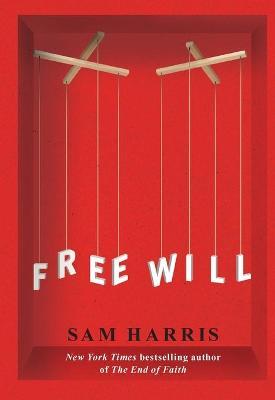
The question of free will is no mere curio of philosophy seminars. A belief in free will underwrites both the religious notion of “sin” and our enduring commitment to retributive justice. The Supreme Court has called free will a “universal and persistent” foundation for our system of law. Any scientific developments that threatened our notion of free will would seem to put the ethics of punishing people for their bad behaviour in question.In Free Will Harris debates these ideas and asks whether or not, given what brain science is telling us, we actually have free will?